On this page
- The customer: a family firm managing serious complexity
- Why Trello stopped working for a growing consulting firm
- Why monday.com? And why they needed a Platinum Partner to build it
- What we built: one monday.com instance, 40+ companies, zero chaos
- Standardized, flexible boards
- Cross-board automations
- Integrated CRM and project management, in one place
- Leadership dashboards
- The results: a more competent team, real visibility, room to grow upmarket
- A more competent team
- Visibility leadership didn't have before
- Room to grow upmarket
- FAQ: Trello vs. monday.com for growing consulting and healthcare firms
- Stop adapting to your software. Let your software adapt to you.
Workiflow, a monday.com Platinum Partner, rebuilt their operations from scratch: one monday.com instance running 40+ client "companies," a unified CRM, cross-board automations, and real-time dashboards. The result was hours saved every week, leadership visibility that used to run on gut feel, and the infrastructure to sell to bigger, more complex clients.
The customer: a family firm managing serious complexity
Florman Tannen has spent two decades helping U.S. healthcare providers negotiate and manage their contracts with insurance companies. That's the kind of work where the stakes are high and the paperwork is worse.
“We're a small but growing family business. We've been around for 20 years.”

Marc Florman
Managing Partner · Florman Tannen
Small, but not simple. What started as work for clients with one or two locations grew into engagements with large, private-equity-backed healthcare groups, and a single client account can now include 70 to 80 separate entities, each with its own contracts and its own needs. That's the kind of complexity that breaks a lot of project management tools. It broke theirs.
Why Trello stopped working for a growing consulting firm
Before monday.com, Florman Tannen ran on paper. Literally, a pile of it, on everyone's desk. Trello was the first real upgrade, and it worked for five to eight years.
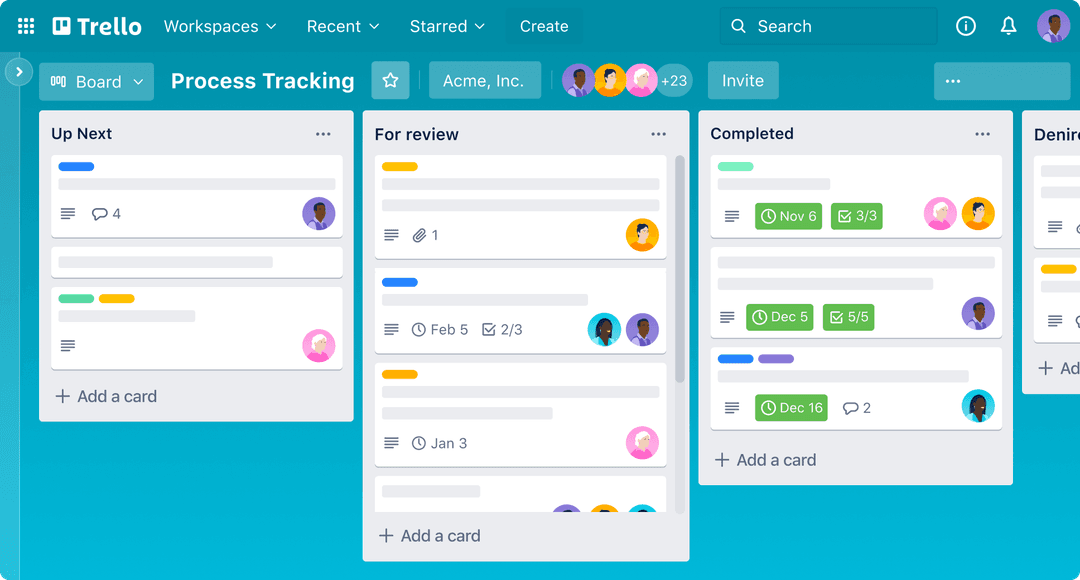
“Trello is really good for keeping your thoughts organized. Not so good for managing complex projects, especially when there are multiple stakeholders.”
Marc Florman
Managing Partner · Florman Tannen
The core issue was structural. Trello is built around flat boards in a single workspace, and healthcare consulting work isn't flat. As the firm scaled, the team kept running into the same tradeoff:
“It's very two-dimensional. Compromises always have to be made — do we make each payer contract its own card? Each entity its own list?”
Marc Florman
Managing Partner · Florman Tannen
There was no good answer, because Trello has no reporting layer and no way to view the same work from multiple angles at once. For a firm managing dozens of entities per client, "no reporting capability" isn't a minor gap. It's the thing standing between a growing consultancy and the next tier of clients.
Why monday.com? And why they needed a Platinum Partner to build it
Florman Tannen didn't need convincing that monday.com could solve this. They'd done the research. What they didn't have was the internal skill set to build it.
“We knew from our research that monday.com can do it. But we didn't know how to actually implement it without Workiflow.”
Marc Florman
Managing Partner · Florman Tannen
That's the gap Workiflow, a monday.com Platinum Partner, exists to close. Most firms don't have someone in-house who's spent years building multi-dimensional monday.com instances for regulated, high-complexity industries. But we do. So instead of the firm spending months reverse-engineering a system on their own, we built it with them.
What we built: one monday.com instance, 40+ companies, zero chaos
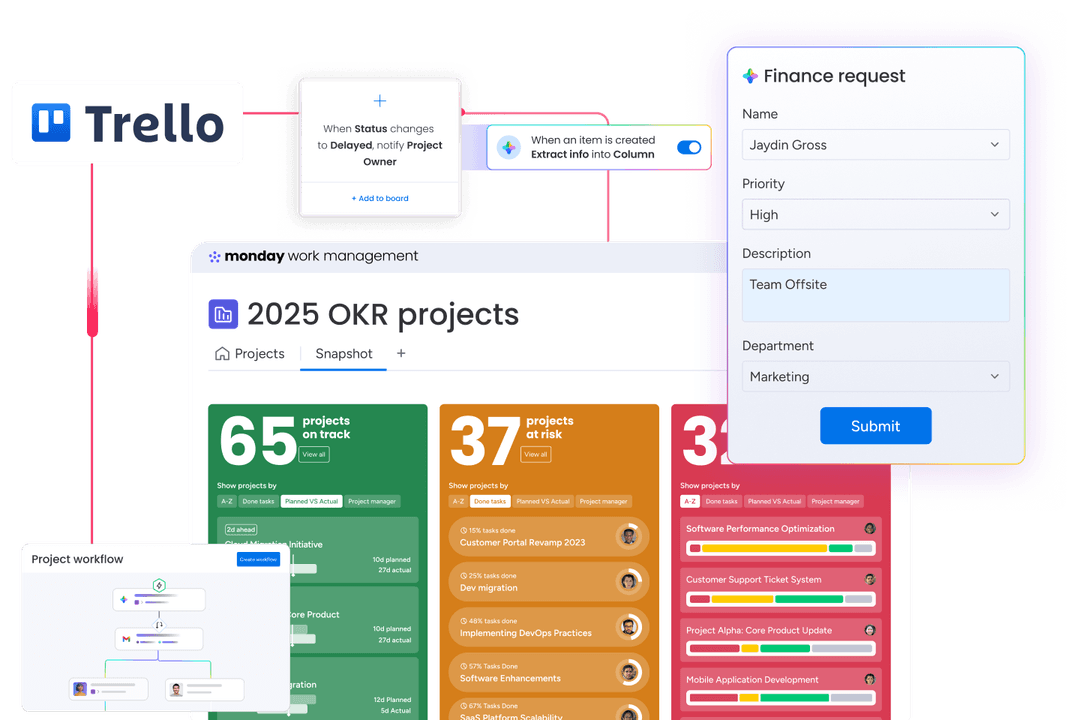
The system we built for Florman Tannen runs on four pillars:
Standardized, flexible boards
A single monday.com instance now runs 40 to 50 different client "companies," each with its own structure, but all built on the same underlying framework. monday.com's multi-dimensional layering and filtering let the team view any project from the right angle at the right time — by payer, by entity, by client, or by status — without the compromises Trello forced on them.
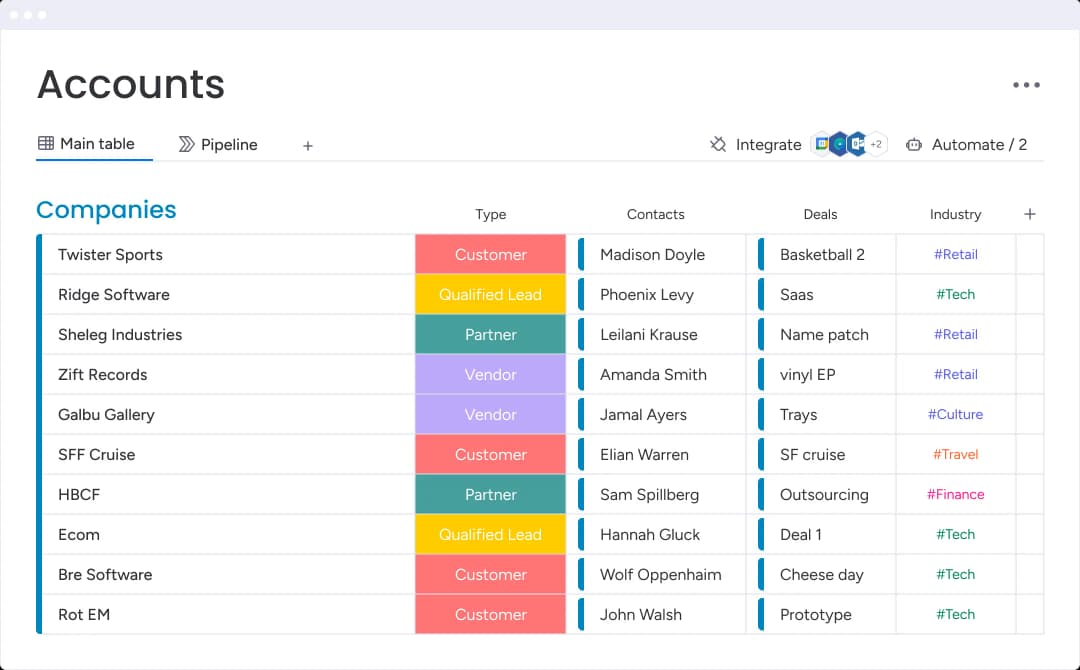
Cross-board automations
Boards now talk to each other. Notes update the company-wide CRM automatically. Items move between boards as work progresses. None of that required a human to remember to do it.
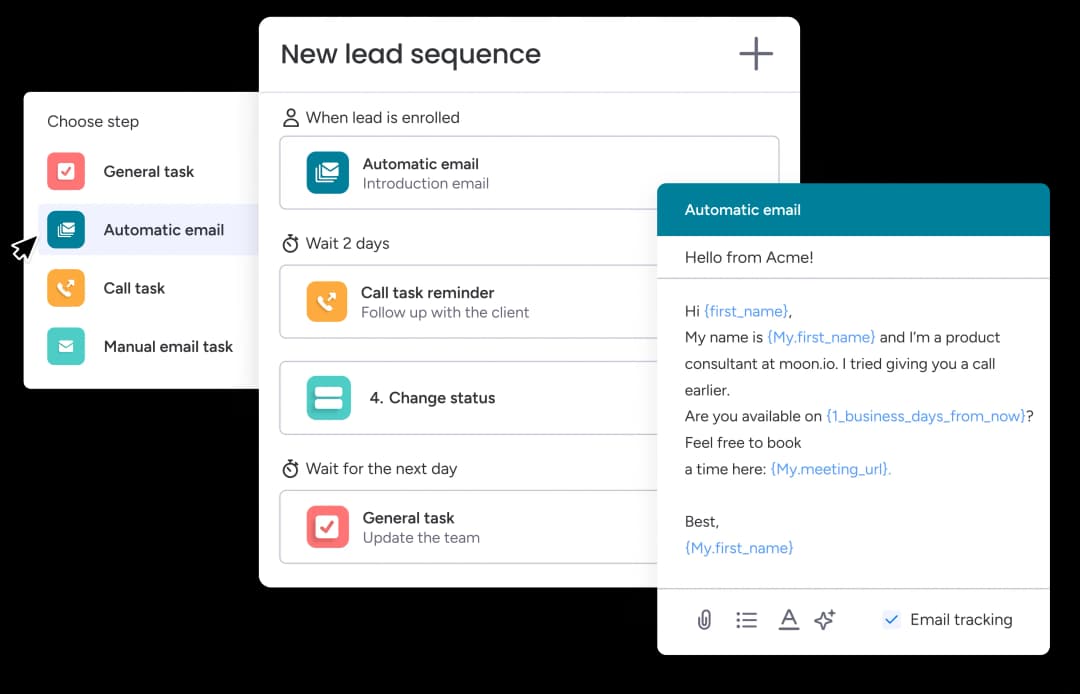
Integrated CRM and project management, in one place
Client relationships and client work used to live in separate systems, which meant manual searching and the same questions getting asked twice. Now they don't.
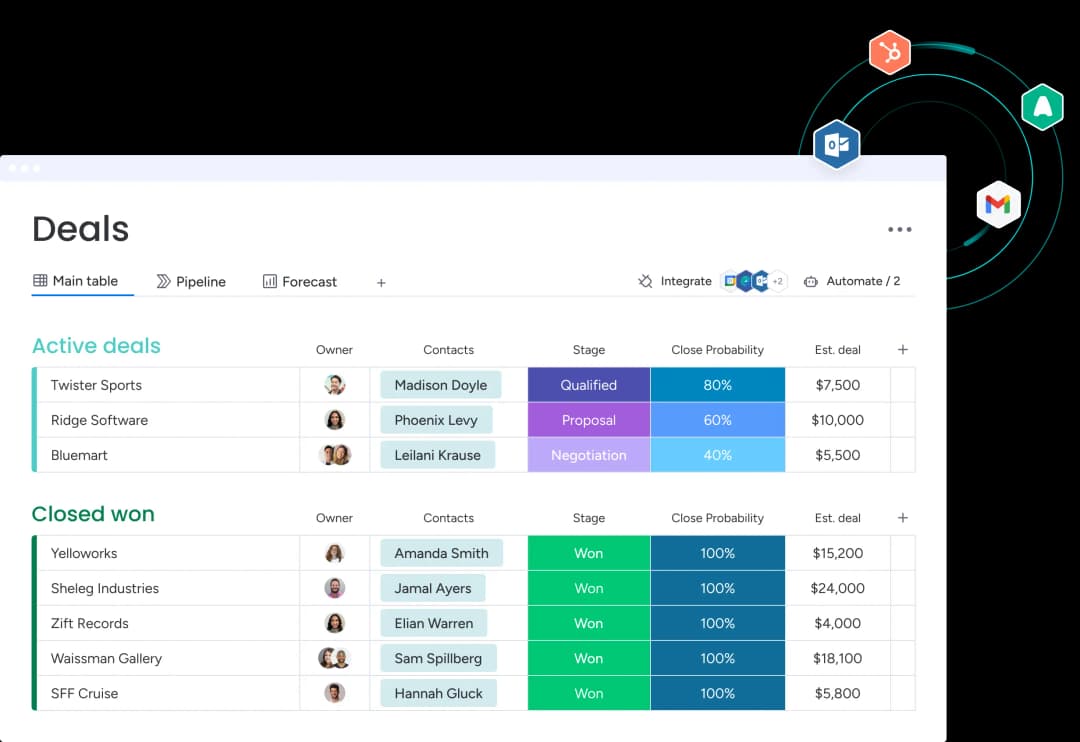
Leadership dashboards
Marc calls this one of the biggest things the rebuild delivered: real-time visibility across every team, replacing decisions that used to be made on gut feel.
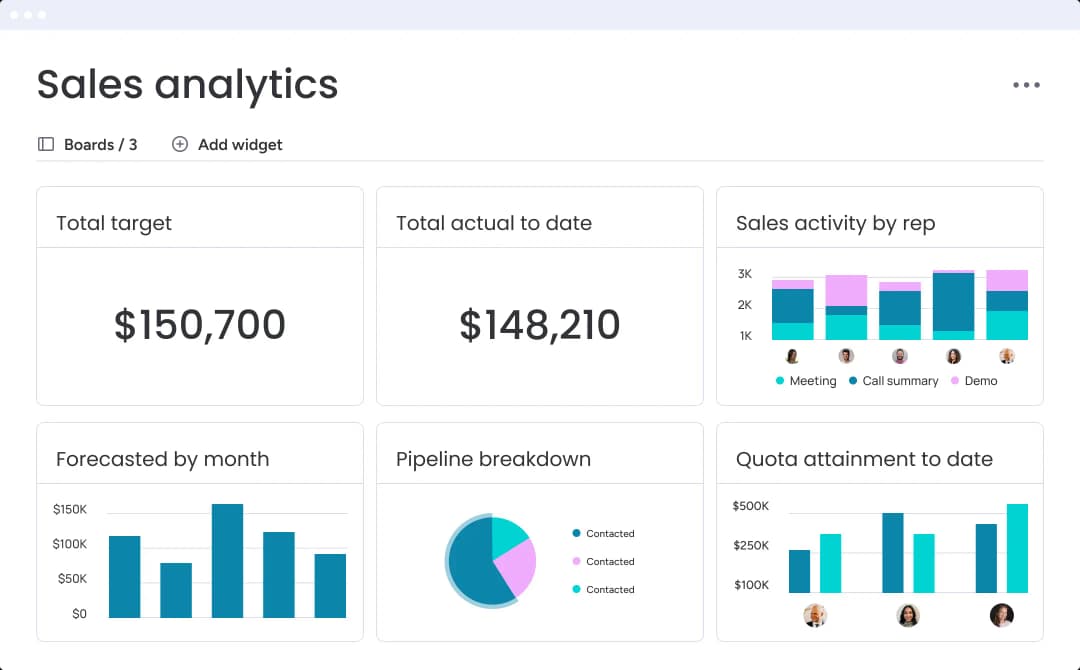
This wasn't a template. It was a custom monday.com build shaped around how a healthcare consulting firm actually manages 70-plus moving entities at once — which is the whole point of working with a partner instead of just buying software and hoping.
The results: a more competent team, real visibility, room to grow upmarket
A more competent team
The firm can now log and find exactly what a client needs — accurately, quickly, and without redundant work. As Marc put it: "The system isn't so much a time saver as a competency." That's a meaningful distinction: this isn't just faster work, it's better work.
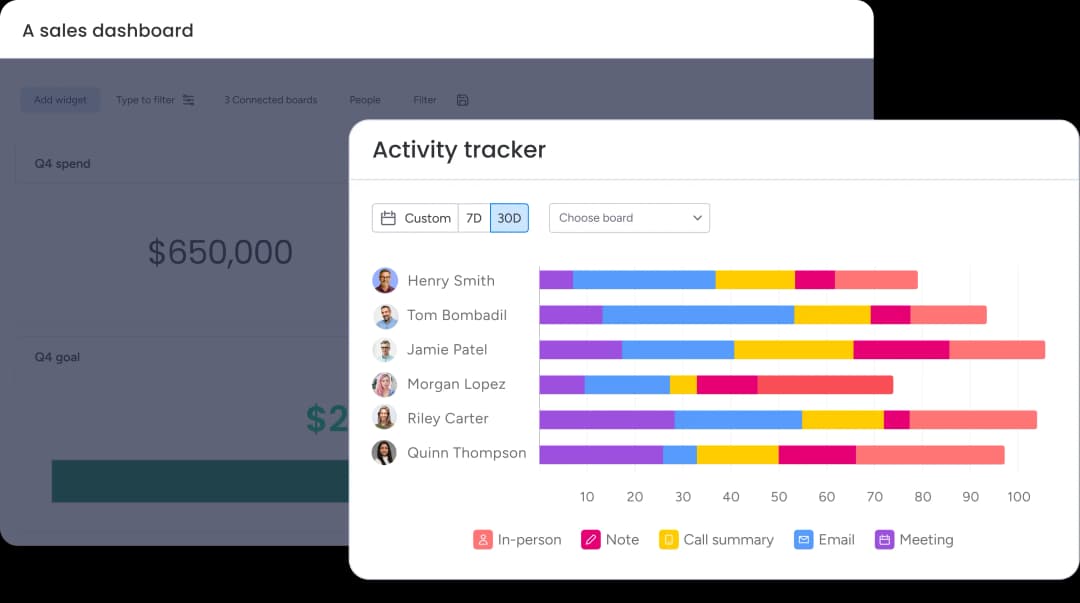
Visibility leadership didn't have before
"Visibility on everything all of my teams are doing — it's huge," Marc said. Dashboards that once didn't exist now directly inform staffing and pricing decisions.
Room to grow upmarket
This is the line that matters most for a growing firm: "We're selling to larger, more sophisticated providers because we can support them, and we can because we have monday.com." The system didn't just fix an operational problem — it expanded who Florman Tannen can take on as a client.
“Switching to monday.com has literally saved one of my team members hours every week. That's real money.”
Marc Florman
Managing Partner · Florman Tannen
“If you truly want to maximize the value this simple yet complex, really powerful tool has — it's worth getting the help. It's a no-brainer on the ROI.”
Marc Florman
Managing Partner · Florman Tannen
FAQ: Trello vs. monday.com for growing consulting and healthcare firms
When should a company move from Trello to monday.com?
Trello works well for organizing individual thoughts and simple task lists. It struggles once a business needs to manage multiple stakeholders, multiple layers of complexity per client (like entities, contracts, or locations), or any real reporting. If you're building workarounds instead of workflows, that's the signal.
What does a monday.com Platinum Partner actually do?
A Platinum Partner like Workiflow designs and builds a custom monday.com instance around a business's actual operations, not a generic template. That includes board architecture, cross-board automations, CRM integration, and dashboards, plus the implementation know-how most internal teams don't have in-house.
Can monday.com handle multiple clients with dozens of sub-entities each?
Yes, with the right build. Florman Tannen runs 40 to 50 client "companies" inside a single monday.com instance, each with entity-level detail, using multi-dimensional layering and filtering to view work by whichever dimension matters in the moment.
Does monday.com replace a separate CRM for consulting firms?
It can. Florman Tannen consolidated client relationship management and project delivery into one system, removing the manual searching and repeated questions that come from running CRM and project work in separate tools.
Stop adapting to your software. Let your software adapt to you.
Florman Tannen didn't need a bigger tool. They needed monday.com built around how they actually work — and a partner who knew how to build it. The question isn't whether this applies to your firm. The question is where you want to start.